Fleet Management Solutions for Smarter, Safer, More Efficient Operations
DCCI helps Alabama fleets manage vehicles, drivers, maintenance, fuel, safety, and mobile assets with connected telematics, video tracking, and local support built for real-world operations.
Explore the Solutions Behind a Smarter Fleet
DCCI brings together GPS tracking, video telematics, fuel visibility, maintenance coordination, asset tracking, and safety tools to help fleets improve uptime, accountability, and day-to-day control.
Know Where Your Fleet Is. And What It’s Doing.
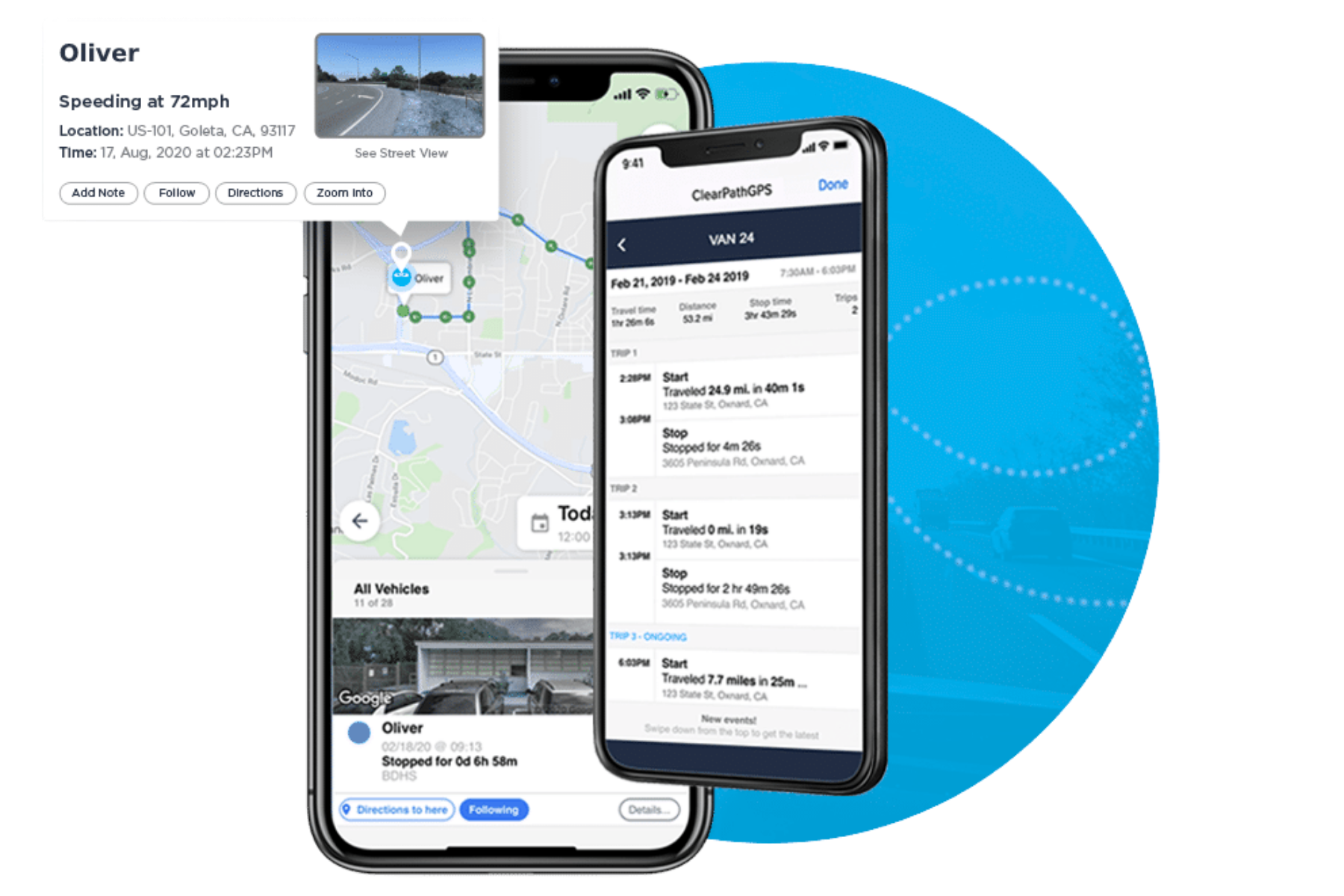
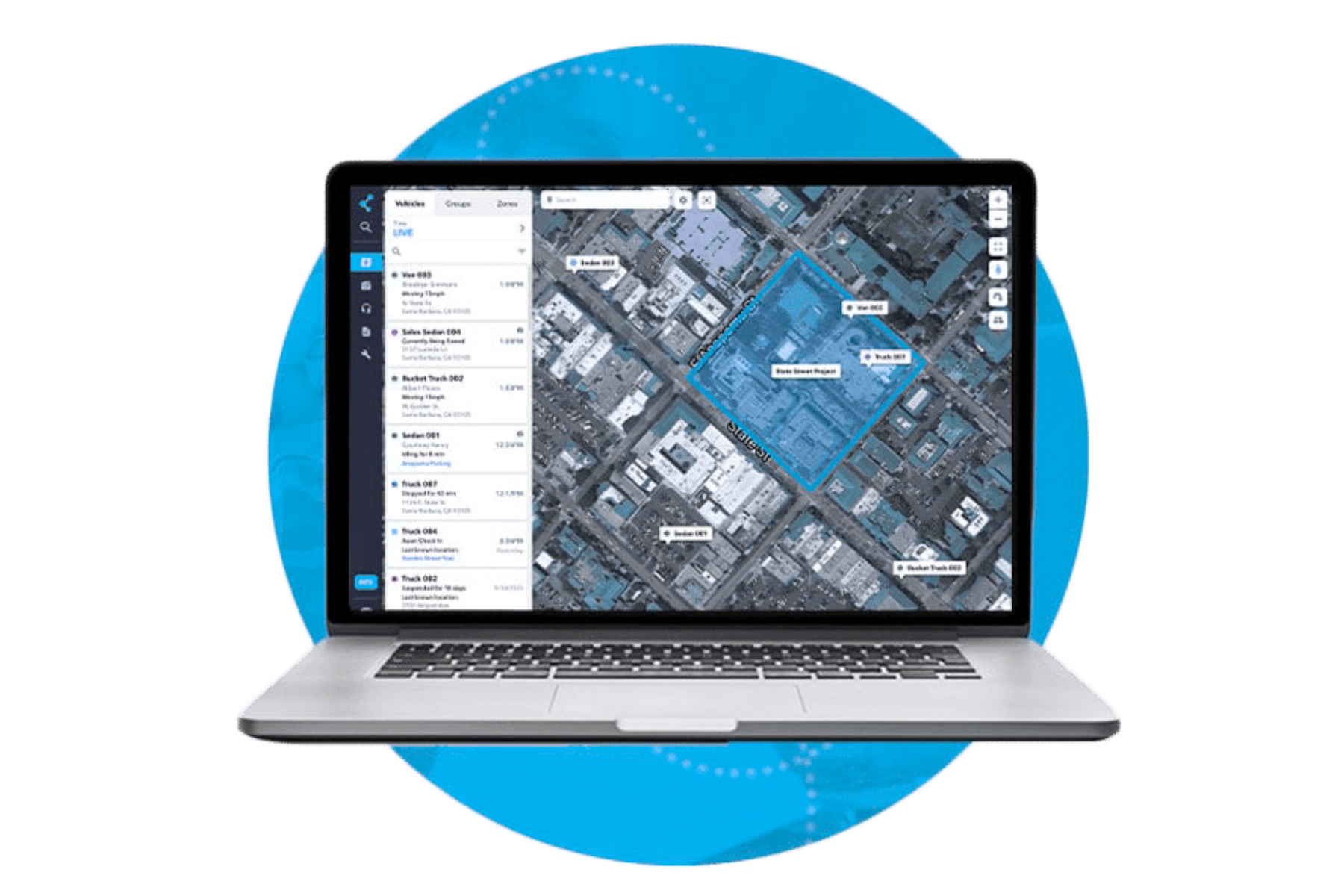
GPS telematics gives your operation real-time visibility into vehicles, drivers, routes, and activity across the workday. Instead of waiting for phone calls, paperwork, or end-of-day updates, supervisors can see what is happening as it happens and make faster decisions from a single system.
For fleets trying to improve response times, accountability, route efficiency, and customer service, telematics becomes the operating layer behind the vehicles. It helps dispatchers and managers see location history, identify delays, monitor activity, and respond before small issues become expensive ones.
- Live GPS tracking with real-time vehicle visibility across the fleet
- Route history and breadcrumb trails for accountability and review
- Arrival, stop, idle, and movement insights to improve dispatch decisions
- Real-time alerts for speeding, unauthorized use, or missed activity patterns
- Cleaner reporting for operations, management, and customer-facing service verification
- Better visibility into day-to-day vehicle use without adding complexity for drivers
Video That Protects Drivers. And Clarifies the Story.
Video telematics gives fleets more than a camera feed. It adds context to incidents, helps verify what actually happened on the road, and gives managers a better way to coach drivers using real events instead of guesswork.
When GPS tells you where a vehicle was, video helps explain what was happening. That combination improves accountability, speeds up incident review, supports driver exoneration when claims are wrong, and gives operations teams better visibility into risky behavior before it turns into a bigger problem.
- Road-facing and driver-facing visibility for incident review and coaching
- Event-based clips tied to harsh braking, acceleration, cornering, and other risky behavior
- Faster review of collisions, claims, and disputed events with visual proof
- Better driver coaching based on actual footage instead of vague reports
- Support for safety programs, accountability, and reduced operational blind spots
- Stronger documentation when fleets need to defend drivers or review patterns over time
Control Fuel Spend. Without Guesswork.
Fuel is one of the fastest ways operating costs can drift without anyone noticing it in real time. A strong fuel solution helps fleets connect vehicle activity, route behavior, idling, and driver habits to the actual cost showing up on the fuel bill.
When fleets can see where fuel waste is happening, they can start correcting it instead of just absorbing it. That means less idle time, better route discipline, fewer unnecessary stops, and stronger control over one of the biggest recurring expenses in daily fleet operations.
- Identify fuel waste tied to idle time, route inefficiency, and unnecessary vehicle use
- Track patterns that increase cost across drivers, vehicles, and job assignments
- Support better planning for routing, dispatch, and vehicle utilization
- Reduce unnecessary mileage and operating behavior that drives higher fuel spend
- Give managers clearer reporting around trends, exceptions, and usage patterns
- Turn fuel data into operational decisions instead of end-of-month surprises
Stay Ahead of Repairs. Not Behind Breakdowns.
Fleet maintenance works best when it becomes part of daily operations instead of a reaction to vehicle failures. With better visibility into vehicle use, service intervals, and recurring problem patterns, fleets can reduce downtime and make smarter maintenance decisions before a truck or asset is forced out of service.
The goal is not just to fix vehicles faster — it is to keep them from becoming expensive interruptions in the first place. When maintenance planning is tied to operational data, fleets gain better control over scheduling, budgeting, uptime, and the long-term health of the equipment they depend on every day.
- Track service intervals and maintenance activity more consistently across the fleet
- Reduce avoidable downtime by identifying issues before they turn into breakdowns
- Improve planning for shop time, vendor scheduling, and vehicle availability
- Support longer equipment life through more disciplined maintenance visibility
- Create better records for budgeting, lifecycle planning, and service accountability
- Connect maintenance planning to the same operational data driving telematics decisions
Know Where Equipment Is. Without Chasing It Down.
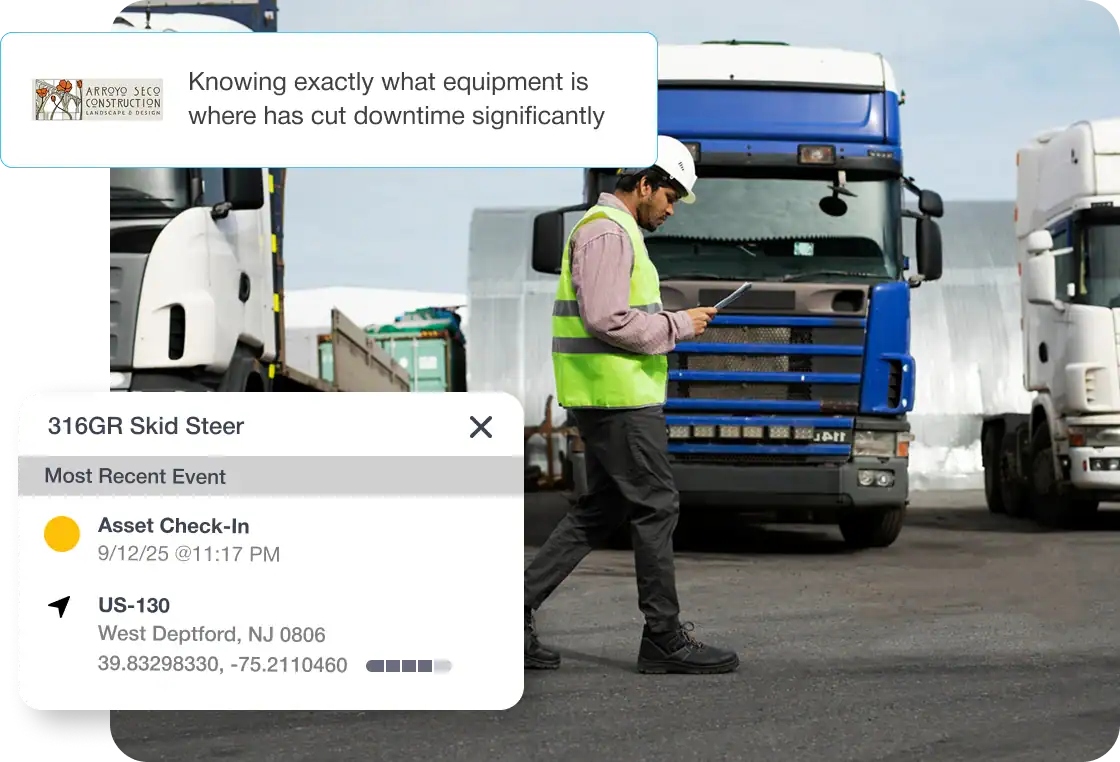
Asset tracking gives fleets and field operations visibility beyond just powered vehicles. Trailers, equipment, containers, and other mobile assets can create delays, lost productivity, and unnecessary cost when nobody knows exactly where they are or how often they are being used.
When assets are visible, they become easier to schedule, recover, protect, and put to work. That means fewer wasted calls, less downtime spent searching for equipment, and a better understanding of how your trailers and field assets are actually supporting the operation.
- Track trailers, equipment, and non-powered assets across job sites and service areas
- Reduce time lost searching for assets that should already be accounted for
- Improve scheduling by knowing what is available, where it is, and how it is being used
- Support theft recovery and stronger accountability for mobile field equipment
- Gain better visibility into asset utilization across the fleet and operation
- Create cleaner records for planning, reporting, and long-term asset management
Improve Driver Safety. Reduce Risk Exposure.
Safety programs work better when they are built on real operational data instead of assumptions. Telematics, video, alerts, and driver behavior visibility give fleets a clearer picture of where risk is increasing and where coaching, process changes, or intervention can make the biggest difference.
For many fleets, safety is not just about preventing incidents — it also affects claims, insurability, customer confidence, and long-term operating cost. Stronger visibility into risky behavior and compliance trends supports better coaching, cleaner documentation, and a more credible safety story when fleets need to talk about performance with customers, brokers, or insurance partners.
Local Shop Relationships. Smarter Fleet Maintenance.
Alabama Fleet Concierge is a local maintenance coordination program built to connect fleets, repair shops, and telematics data into a more proactive service model. Instead of waiting for a breakdown or a missed service interval, shops and fleet operators can use better visibility to plan work before the vehicle becomes a problem.
The goal is to help fleets stay on the road while helping local shops keep work scheduled, technicians productive, and maintenance decisions more predictable. It gives repair partners a better way to develop ongoing maintenance relationships with fleet clients while giving fleets a clearer path to consistent upkeep, fewer surprises, and better budget visibility.
- Connect telematics visibility with real maintenance planning at the local level
- Help repair shops identify service needs before they become emergency breakdowns
- Improve fleet uptime through more proactive scheduling and local service coordination
- Support recurring maintenance programs instead of one-off reactive repairs
- Help shops budget labor and keep technicians busy with better planning visibility
- Create a stronger maintenance relationship between Alabama fleets and trusted local providers
Fleet Solutions for the Industries That Keep Alabama Moving.
DCCI supports fleets that depend on visibility, uptime, maintenance planning, safety, and better day-to-day accountability. Whether the job involves drivers, technicians, crews, patrol units, or student transportation, we help organizations apply telematics and fleet tools in ways that fit real operations.
School Buses
Improve route visibility, maintenance planning, driver accountability, and fleet oversight for student transportation operations.
Private Security
Track patrol movement, response activity, idle time, and vehicle use while improving accountability across officers, supervisors, and service areas.
Plumbing
Support dispatch efficiency, technician visibility, vehicle maintenance, and asset awareness across service vans and field teams.
Roofing
Monitor vehicle movement, trailer activity, crew deployment, and jobsite coordination with better operational visibility.
Landscaping
Track trucks, trailers, and equipment while improving route planning, maintenance timing, crew coordination, and uptime.
Construction
Improve oversight across work trucks, equipment, trailers, and crews with stronger visibility into movement, use, and service needs.
Trucking & Delivery
Support route visibility, fuel oversight, maintenance scheduling, and driver accountability across local and regional fleet activity.
Utility & Public Service
Help service organizations manage response vehicles, field assets, maintenance cycles, and day-to-day operational readiness.
Alabama Fleets
Support Alabama-based fleets with telematics, safety tools, asset visibility, and maintenance coordination through local service relationships.
Communications Solutions That Fit the Way You Work.
DCCI helps businesses choose, deploy, and support two-way radio, PoC, mobile, dispatch, and fleet communication solutions built for real operational use.
Whether you need handheld radios for local coverage, PoC devices for wide-area communication, vehicle-based mobiles, or bridge solutions that tie legacy systems together, DCCI can help design the right setup for your team.
We support organizations across logistics, construction, security, utilities, field service, campuses, and transportation with equipment selection, provisioning, deployment planning, and support after the sale.
The Right System Starts with the Right Questions.
Portable Radios
Compact handheld radios for on-site communication, wide-area PoC coverage, and mixed-fleet deployments.
Vehicle Installations
In-vehicle radios and mobile communication tools for trucks, service vehicles, and fleet operations.
Web-Based Control
Browser-based dispatch consoles for fleet tracking, talk group control, emergency monitoring, and supervisor visibility.
Nationwide Push-to-Talk
Use LTE and Wi-Fi networks to communicate well beyond traditional repeater footprints.
Legacy Integration
Connect analog and DMR users with PoC systems so your teams can communicate across platforms.
Consulting & Setup
Get help with product selection, deployment planning, user setup, and finding the right fit for your operation.
Tell Us What You Need to Cover.
If you’re trying to improve communication between job sites, vehicles, dispatchers, technicians, or field teams, send us your information and we’ll help point you toward the right handheld, mobile, PoC, dispatch, or bridge solution.
- Authorized dealer support for Hytera solutions
- Help with radio, PoC, dispatch, and bridge systems
- Local support from Wetumpka, Alabama
- Fast response for quotes, demos, and planning questions
Contact DCCI Direct
Wetumpka, AL 36092
Submit a Service Ticket